
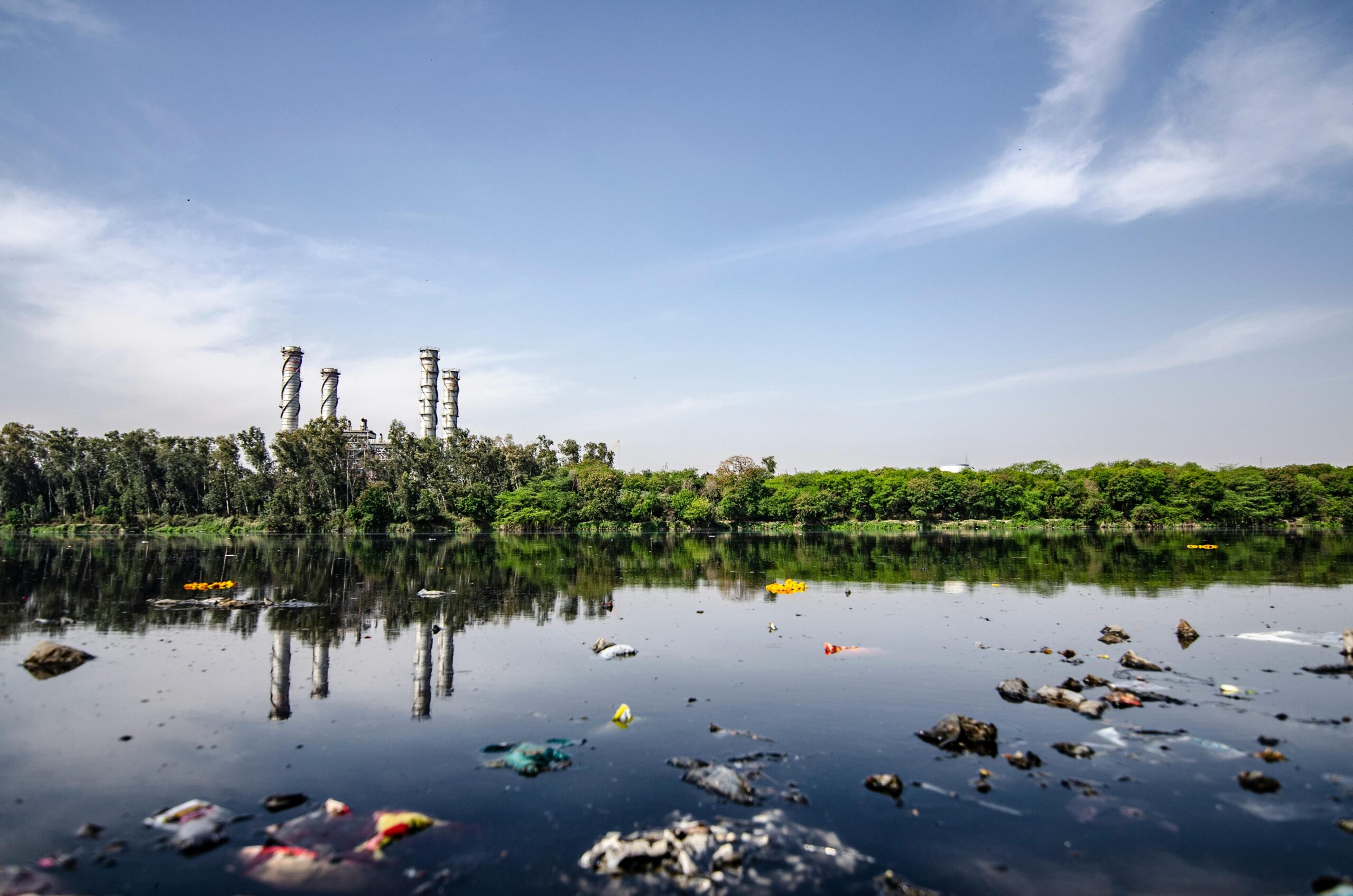
Waste management is one of the most critical yet often overlooked pillars of community development. As populations grow and industries expand, the amount of waste generated—from household refuse and agricultural by-products to industrial residues and hazardous material—continues to increase. Without proper management, this waste becomes a serious threat to public health, the environment, and even the local economy. However, when handled correctly, waste can shift from being a burden to becoming a catalyst for healthier communities and economic growth.
At the heart of effective waste management is the concept of proper collection, treatment, recycling, and disposal. Communities that lack structured waste systems often face overflowing dumpsites, polluted water bodies, uncontrolled burning, and the spread of diseases such as cholera, typhoid, and malaria. When waste is dumped indiscriminately, it contaminates food sources, blocks drainage systems, and attracts pests. Over time, this leads to increased healthcare costs and declining productivity.
A well-designed waste management system directly improves public health by reducing exposure to harmful pollutants. Simple actions—like establishing designated collection points, creating routine pickup schedules, and ensuring waste is transported safely—can drastically minimize the risk of disease transmission. Furthermore, safe disposal of hazardous waste prevents toxic substances from entering water supplies or soil, protecting both humans and the surrounding ecosystems.
Effective waste management also plays a key role in environmental preservation. When waste is properly sorted and treated, pollutants are kept out of rivers, forests, and farmland. Protecting these natural areas allows biodiversity to thrive, maintains clean air and water, and ensures that communities have access to healthy environments for farming, fishing, and recreation. Cleaner environments also attract investors, tourists, and organizations seeking sustainable development partners.
Beyond health and the environment, waste management has significant economic benefits. Many people see waste only as something to get rid of, but it can be transformed into valuable resources. Recycling plastics, metals, paper, and glass reduces reliance on imported raw materials and creates new income streams for local businesses. Organic waste can be converted into compost or biofertilizer for agricultural use, improving soil fertility and reducing the need for chemical fertilizers.
Biodegradable waste can also be used to produce biogas, a clean and affordable source of energy for households and industries. This not only reduces the demand for firewood—helping to preserve forests—but also creates jobs in the renewable energy sector. When waste becomes a resource, communities benefit from employment opportunities, entrepreneurship, and new industries built around recycling and energy production.
In addition, efficient waste management systems attract investors and development partners. Organizations involved in environmental conservation, climate financing, and clean energy are more likely to support communities that demonstrate responsible waste practices. This leads to funding opportunities, infrastructure upgrades, and long-term partnerships that fuel local development.
One often underestimated advantage of structured waste systems is improved urban planning and community aesthetics. Clean streets, organized collection points, and well-maintained public spaces contribute to community pride and increase property values. Businesses are more likely to thrive in clean environments because customers feel safer and more comfortable. A well-managed waste system becomes a foundation for orderly development and improved quality of life.
Education and community participation are essential for the success of any waste management initiative. Awareness campaigns, school programs, and local training sessions encourage households to sort waste, reduce littering, and understand the long-term benefits of proper disposal. When communities take ownership of waste management, systems become more sustainable and effective.
In conclusion, effective waste management goes far beyond keeping streets clean. It protects public health, preserves natural ecosystems, strengthens local economies, and promotes long-term community development. By transforming waste from a challenge into an opportunity, communities can build a healthier environment, create new jobs, and unlock economic potential that benefits everyone. As nations continue to grow, investing in efficient waste management is not just a necessity—it is a pathway to a more prosperous and resilient future.