
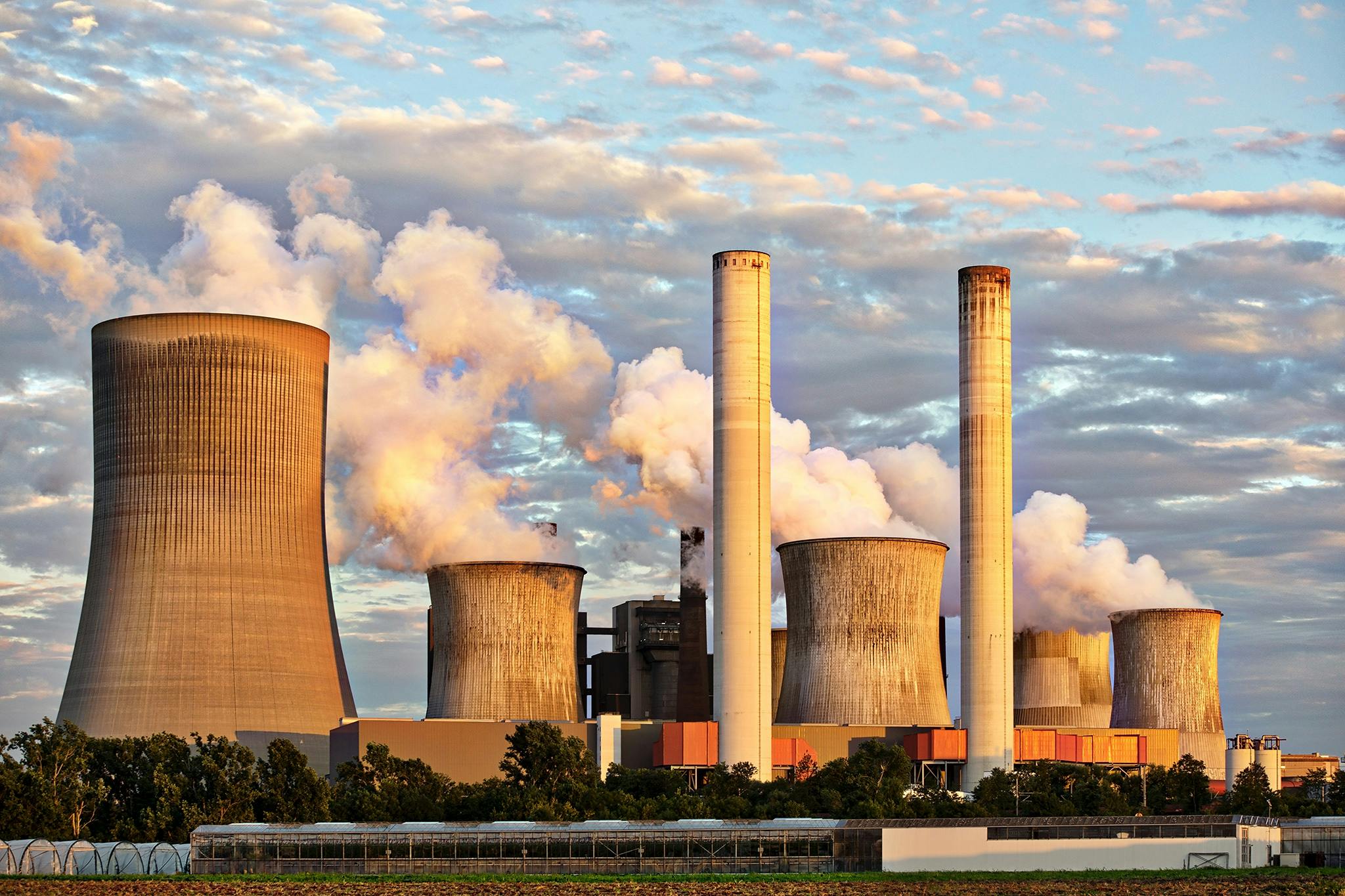
As Africa continues to push toward energy security and sustainable development, biomass energy has emerged as one of the continent’s most promising renewable resources. With rising demand for electricity, increasing pressure on forests, and the need to transition away from fossil fuels, biomass presents a unique opportunity to provide clean, affordable, and locally sourced energy. From agricultural residues and organic waste to dedicated energy crops, biomass is shaping the future of Africa’s renewable power landscape.
Biomass energy is derived from organic materials plant matter, animal waste, wood residues, and biodegradable waste. When processed correctly, these materials can be converted into electricity, heat, biogas, or biofuels. Unlike fossil fuels, biomass is renewable because plants and organic waste continually regenerate. With vast agricultural activities and rich biodiversity, Africa possesses an almost unlimited supply of raw materials for biomass production.
One major advantage of biomass energy is its affordability and accessibility. In many African communities, firewood and charcoal remain primary sources of energy. However, these traditional fuels contribute to deforestation and household air pollution. Modern biomass technologies such as biogas digesters, biomass briquettes, and gasification systems offer cleaner, more efficient alternatives. By upgrading traditional biomass use into modern systems, households benefit from cheaper cooking fuels, cleaner air, and reduced pressure on forests.
Biomass also provides significant economic opportunities. Collecting, processing, and transporting biomass feedstock creates jobs for farmers, waste collectors, technicians, and small businesses. For rural communities that rely heavily on agriculture, biomass energy offers an additional income stream through the sale of crop residues, wood chips, or organic waste. Local entrepreneurs can establish briquette production centers, biogas plants, or mini biomass power stations, stimulating local economies and supporting rural development.
The energy challenges faced by many African countries frequent power cuts, limited grid access, and high electricity costs make biomass an attractive alternative for decentralized energy generation. Small-scale biomass power plants can be built in rural or off-grid areas, providing reliable energy to communities, farms, and small industries. This decentralization reduces reliance on national grids, enhances energy independence, and supports local businesses.
From an environmental standpoint, biomass energy contributes to carbon neutrality. The carbon dioxide emitted during combustion is roughly equal to the carbon absorbed by plants during growth. When paired with efficient systems, biomass energy emits significantly fewer pollutants than fossil fuels. It also reduces methane emissions from decomposing organic waste one of the most potent greenhouse gases. As Africa faces climate-related challenges, biomass stands out as a climate-friendly alternative that supports national environmental goals.
Agricultural waste is one of Africa’s most underutilized resources. Each year, millions of tons of crop residues—such as maize stalks, rice husks, palm kernel shells, cassava peels, and sugarcane bagasse—are burned or left to decay, releasing harmful emissions. By converting these residues into energy, nations can reduce pollution, increase power generation, and support sustainable agriculture. Sugar factories, palm oil mills, and rice processing plants already generate heat and electricity from their waste, demonstrating biomass’s potential as an industrial energy solution.
Another growing area is biogas production from livestock waste, municipal waste, and sewage. Biogas digesters convert organic matter into methane-rich gas that can be used for cooking, electricity, or heating. The leftover sludge becomes organic fertilizer, improving soil fertility and reducing dependence on chemical fertilizers. Schools, farms, and households across Africa are increasingly adopting biogas systems due to their low cost and long-term benefits.
Despite its potential, biomass energy faces challenges such as poor infrastructure, limited awareness, inadequate investment, and inefficient traditional technologies. However, with proper training, technology adoption, and supportive policies, Africa can unlock biomass’s full potential. Governments, private investors, and development organizations are already beginning to prioritize modern biomass solutions as part of national energy strategies.
In summary, biomass energy is more than just an alternative fuel it is a pathway to cleaner environments, stronger rural economies, improved energy access, and climate resilience across Africa. With the right investments and innovation, biomass will play a central role in shaping the continent’s renewable power future.